
The Power and Pitfalls of Nostalgia Through Music
Sep 29, 2025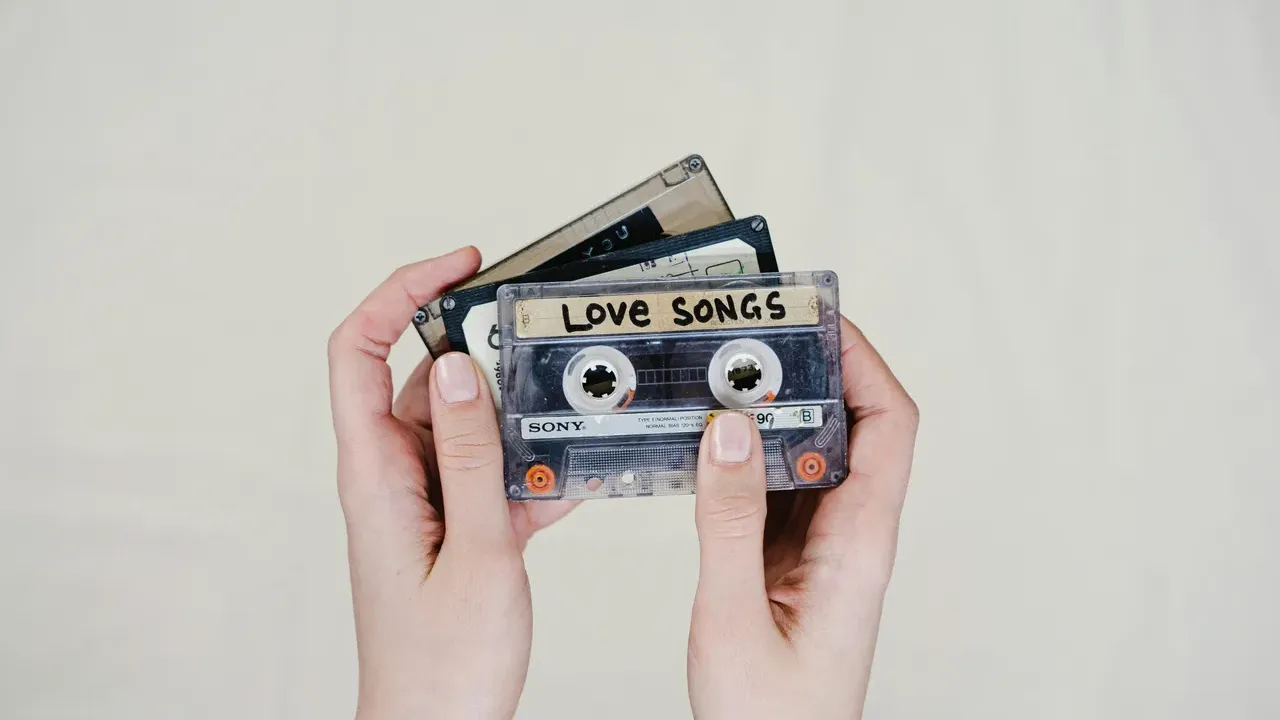
Today, we’re talking about music and nostalgia. Music is a time machine. It takes us back to some of the best and worst times in our lives. It can evoke powerful feelings, stir up our past, and bring up both the positive and the negative. Remembering can be bittersweet. It reminds us of the good times — but also that those times are gone.
Have you ever heard a song and instantly been transported back in time? Music is powerful like that. But what do we do with those feelings when they show up?
The Back Story
I recently attended a Candlebox (and The Who) concert. For those of you who know, you know — especially if you came of age in the 1990s like I did. For everyone else, there was this moment in 1993 when Candlebox had their major breakthrough. They were rock, ranting, and romantic ballads rolled into one — and it spoke to the deepest part of me. I was a major fan. Candlebox still continues to rank in my all-time favorites.
The show was at an outdoor amphitheater in the San Francisco Bay Area. In getting ready for the concert, I found myself in a Spotify rabbit hole — listening to Candlebox as well as other bands from my coming-of-age years in the 1990s and early 2000s. Nirvana. Rage Against the Machine. And many more. It got me thinking about how much we can learn about ourselves by looking back through music.
The Beauty of Nostalgia Through Music
Sometimes looking back is a beautiful thing. It instantly reconnects us to emotions, people, and pivotal moments or seasons in our lives.
When I think back to the first music that was truly mine, I remember being seven or eight years old. In my Easter basket one year, I found a cassette tape: Cyndi Lauper’s True Colors. My very first album. I listened to it so much that the tape wore out. Later, in college, Alanis Morissette’s Jagged Little Pill was the soundtrack. Raw honesty, unapologetic truth, rage — it shaped authenticity and womanhood for an entire generation.
Looking back at those moments, I see early glimmers of who I am today. Same girl. The music I loved then left a trail of my identity. What about you? What was your first album? Where do you see yourself in it today?
Music is also about connection and a sense of belonging. It made us feel understood, even in the darkest times — whether we were alone or surrounded by friends. Back then, we poured ourselves into mixtapes to commemorate friendships or romances. We’d sit by the radio, waiting for a song to start, hit record, and carefully capture it. Timing mattered. Effort mattered. And it showed we cared.
Music can also be resistance to systems, politics, or authority. Think of the movements of the 60s and 70s. Listening today, you can still feel the history, the stories, the power of people standing up.
Music opened up worlds of possibility. As kids, many of us didn’t feel in control of our lives — where we grew up, the schools we attended, and the rules we followed. But music was a window into freedom. I remember road trips, summer anthems, festivals like Lollapalooza, and even piling into a VW van with friends to drive to Chicago for a Grateful Dead show. For me, the music represented expansion — and I carried those songs with me.
What songs take you back to a moment when you felt strong, free, or unstoppable? Those memories are proof of your power.
Of course, not every memory with music is joyful. Music also carried us through the darkness. Think of the hardest seasons of your life — wasn’t there a song that was your friend, your shield, your relief, your rallying cry?
For me, it was Nirvana’s Smells Like Teen Spirit — the anthem of misunderstood teenagers. Teenage angst is real, and I was one of them. For many teens, crowd-surfing, screaming, crying, or just blasting music was therapy. It was a safe rebellion — a way to release emotions rather than suppress them.
Those songs became anchors. They reminded us that this too shall pass. That we could endure heartbreak, sorrow, disappointment — and come out stronger.
Music mirrors our power and resilience. It proves that our younger selves weren’t silly after all. The friendships we fought for, the causes we cared about, the artists we loved — those things mattered. They shaped us, gave us grit, and helped us survive. Even in tough childhoods, music carried our hopes and dreams.
The memories don’t just remind us that life is beautiful. They remind us of the power, hope, and will we’ve carried all along.
The Dark Side of Nostalgia
But nostalgia has a dark side. The brain craves comfort and familiarity, so it tempts us to live in the past. But staying there keeps us from growing.
Nostalgia can idealize “the good old days,” making the past look shinier than it really was. Think of childbirth — if we remembered every painful detail, few of us would choose to do it more than once. Our brains soften memories to help us cope with them. That’s why we remember high school or early adulthood as the “best years,” while forgetting the struggles.
There’s even that meme: “I wish I were as fat as the first time I thought I was fat.” It’s funny because it’s true. In middle age, we might long for youth or old clothes that no longer fit. But youth had its price — immaturity, uncertainty, naïveté. As they say, youth is wasted on the young.
When we idolize the past, we’re not being real with ourselves. Aging, wisdom, growth — these are gifts.
Worse, nostalgia can be used as propaganda. When leaders paint the past as superior, it’s often a tool to resist progress, weaponize change, and spread division.
Nostalgia can also become escapism — replaying old songs and memories to avoid facing today. Or it can fuel comparison — longing for who we were, or who we thought we’d become, and feeling less-than in the now. Comparison is the thief of joy.
And sometimes, nostalgia becomes emotional quicksand. Songs can reopen old wounds and keep us stuck in heartbreak or grief, rather than helping us heal.
That’s why I say: nostalgia should remind us of our power — not convince us our best days are behind us.
How to Use Nostalgia as Power, Not a Prison
Change is inevitable. We can either ride the tide or fight the waves. Nostalgia can be a gift or a prison — it’s all in how we use it.
So here are some ways to reframe nostalgia into power:
- Revisit music when you need to feel your feelings. Let it be a safe outlet. Recently, I cranked Rage Against the Machine in my car to release frustration about the world — and it felt good.
- Reframe songs from the past as proof of resilience. Think about what you’ve overcome.
- Recognize how music reflects your growth and values. Let it inspire who you want to become.
- Honor the memories. They’re proof of your capacity to dream, to love, to rise again.
Listen, you don’t have to be all sunshine and rainbows. But ask yourself: are you remembering music in a way that empowers you, or holds you back?
What song instantly brings you back to a moment when you felt unstoppable? How can you use that memory to fuel your confidence today? What song reminds you of a time you overcame something? What strength from that moment can you carry forward now?
Nostalgia is a double-edged sword. It can trap us in the past, or it can remind us of the beauty and power we’ve always carried.
This week, play some songs from your past. Let them remind you — not of what you’ve lost, but of how strong and bold you’ve always been.
Stay bold. Stay powerful. And turn the volume up.
If you enjoyed today’s blog, head over to TheBoldLifeCoach.com for more Member resources. Join our community and start living your boldest life today.
Stop guessing what’s wrong with your career, and take action
Take the 2-minute Career Burnout Signals Quiz and get clear on your next move—burnout, boundaries, plateau, misalignment, or outgrowing.
👉 https://www.theboldlife.coach/career-burnout-quiz
Stay connected with news and updates!
Join our community and get access to exclusive resources.
We hate SPAM. Don't worry, your information will not be shared.